
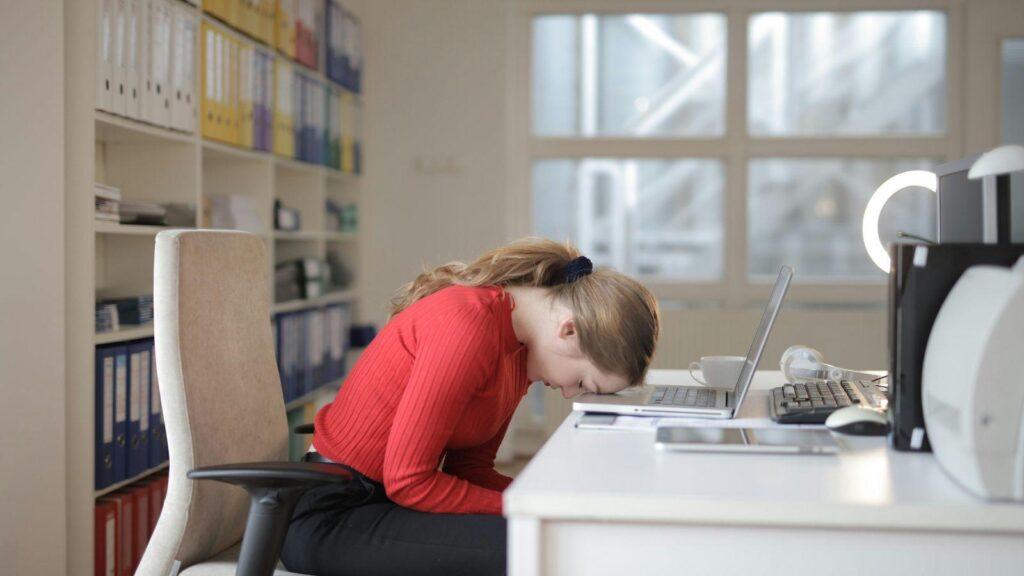
Workplace wellness has come a long way from the days of a single annual flu shot and a poster about hand washing in the break room. In 2026, health-forward employers are weaving wellbeing into nearly every part of the employee experience, from onboarding to ongoing care. Mental health stipends, ergonomic assessments, sleep coaching, fitness reimbursements, and on-site meditation rooms have moved from “nice-to-have” to baseline expectations for many workforces. Yet one corner of workplace health still feels stuck in the past: how organizations approach health and substance screening.
The good news is that this is changing too. Forward-thinking HR teams, occupational health clinics, and treatment programs are starting to treat screening less like a compliance checkbox and more like a wellness tool — one piece of a broader strategy that prioritizes employee safety, supports recovery, and reinforces a culture of care.
From Compliance to Culture
For decades, workplace drug screening was framed almost entirely around liability. Employers tested because regulators required it, insurance carriers expected it, or a serious incident forced a policy change. The conversation rarely moved beyond those minimums.
Modern wellness programs flip the script. Instead of treating screening as something done to employees, leading organizations frame it as something done for them: ensuring that the people next to you on a job site, behind the wheel, in the operating room, or on the manufacturing floor are safe and supported. When paired with strong mental health resources and clear, non-punitive pathways into treatment, screening can become part of how a company says, “your wellbeing matters here.”
Where Screening Still Matters Most
Some industries can’t move away from regular screening — and shouldn’t. Safety-sensitive roles in healthcare, transportation, construction, energy, and public safety have a clear duty of care to patients, passengers, coworkers, and the public. In these settings, comprehensive screening protects everyone involved.
Outside of those mandates, more employers are also using screening as part of return-to-work programs after injury, in support of recovery agreements, or as a routine part of a holistic health benefit. Behavioral health clinics, sober living facilities, and pain-management practices likewise rely on consistent screening as a clinical tool, not a punishment.
Smarter Tools, Broader Coverage
As screening programs have evolved, so has the technology behind them. The classic 5-panel test, designed decades ago around a narrow set of substances, simply doesn’t reflect what modern clinicians and employers are seeing today. Synthetic opioids, benzodiazepines, buprenorphine, and other prescription medications now show up in conversations about workplace safety, treatment compliance, and overdose prevention.
As employers expand their wellness programs, on-site and at-home screening tools have become more sophisticated. Where a simple 5-panel test once covered the basics, many HR teams, clinics, and treatment centers now reach for higher-coverage options like 14 panel cups, which can detect a broader range of prescription and recreational substances in a single, all-in-one collection cup. For wellness-focused organizations, the appeal is practical: faster results, less lab handling, and a more complete picture that supports — rather than replaces — a culture of employee health and safety.
All-in-one cups also reduce friction for the people being tested. A single collection, sealed temperature strip, and clear results window make the process quicker and less intrusive than older methods that required separate dip cards, additional handling, or multiple visits to a lab.
Pairing Screening With Real Support
Tools alone don’t make a wellness program. The organizations seeing the best outcomes pair screening with real, accessible resources: confidential employee assistance programs, coverage for therapy and medication-assisted treatment, peer support groups, and clear policies that emphasize help over punishment whenever possible.
That combination — modern testing technology plus genuine support — is what turns screening from a defensive, paperwork-driven exercise into something that actually fits inside a 2026 wellness strategy. It signals to employees that their employer takes both safety and recovery seriously, and that asking for help won’t end a career.
A Quick Checklist for Health-Conscious Employers
If your organization is rethinking how screening fits into your broader wellness program, a few questions are worth sitting with:
- Are your current testing panels actually aligned with the substances most relevant to your industry and region today?
- Do employees clearly understand what is tested, why, and what happens with the results?
- Is there a real, supportive pathway into treatment for anyone whose results indicate a need for help?
- Are your testing tools efficient enough to respect employees’ time and dignity?
- Does your screening policy reinforce the same culture of care that the rest of your wellness program is trying to build?
If the answer to several of those questions is “not really,” the issue usually isn’t that screening is the wrong tool. It’s that the program around it hasn’t kept up with the rest of the workplace wellness conversation.
The Bottom Line
Workplace wellness in 2026 is about treating employees as whole people. That means mental health and movement, sleep and stress, ergonomics and nutrition — and yes, thoughtful, modern approaches to health and substance screening. When organizations combine up-to-date tools like comprehensive multi-panel cups with strong support systems and a culture that values wellbeing, screening stops feeling like surveillance and starts feeling like one more way the company is looking out for its people.
That’s the future of workplace wellness: not fewer health conversations, but smarter, kinder, more honest ones.
FAQs
Why are employers changing their approach to workplace screening?
Many employers are shifting from a compliance-focused approach to a wellness-focused strategy that emphasizes employee safety, wellbeing, and support rather than punishment alone.
Which industries still rely heavily on routine screening?
Industries with safety-sensitive roles, such as healthcare, transportation, construction, energy, and public safety, continue to rely on regular screening to help protect employees, patients, and the public.
What is the difference between a 5-panel and a 14-panel screening test?
A traditional 5-panel test screens for a limited number of substances, while a 14-panel test can detect a broader range of prescription medications and recreational drugs in a single test.
How do modern screening tools improve the employee experience?
Newer all-in-one screening cups simplify the collection process, reduce handling, provide faster results, and make testing more efficient and less intrusive for employees.
Why should screening programs include mental health and recovery support?
Screening programs are most effective when paired with resources such as counseling, employee assistance programs, and treatment pathways, helping create a workplace culture that prioritizes both safety and employee wellbeing.